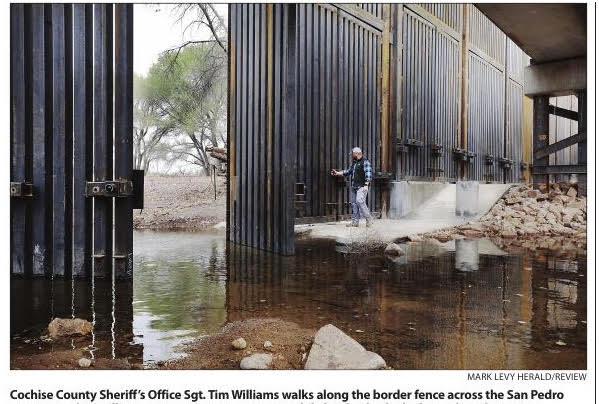
Above is a picture of the US/Mexico border on the San Pedro River about 4 miles from where we lived for 21 years. My first reaction to the photo was, “My God, what have they done to my river? This unsightly steel barricade was installed under the Former Guy’s Border wall initiative. It was built without any input from local citizens or government officials. Apparently no consideration was given to environmental or hydrologic concerns either. They just threw it up claiming some kind of emergency authority.
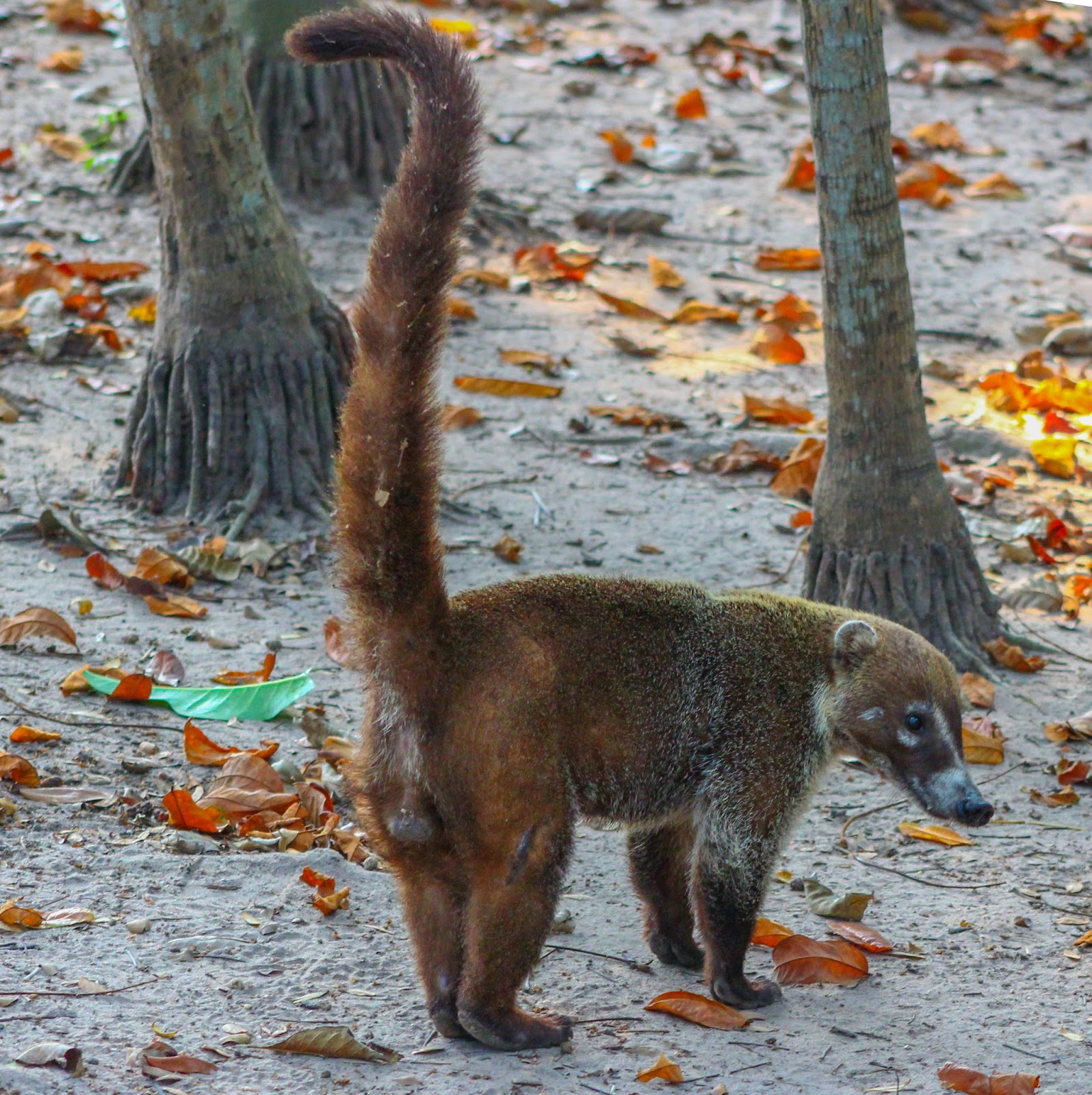
The San Pedro River is a local treasure. it is the only un-dammed free-flowing desert river in our state. The riparian area is rich in biodiversity. It serves as a North-south flyway for numerous migratory birds. Animals unique to the Chihuahuan Desert travel up and down its course. Ocelots and the occasional jaguar have been sited recently. Then there’s my personal favorite, the White-Faced Coati Mundi.
The San Pedro is the lifeline of our valley. We work hard to keep its calming waters flowing under the towering cottonwoods. The Federal Government has long been our ally in protecting this precious desert resource. through judicious management the flow of its aquifer has been stabilized and maintained. A while back, beaver were re-introduced to the river. They are thriving. Now all is threatened by what amounts to an obstruction at the border.
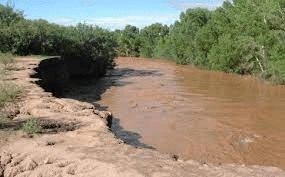
People have been using the San Pedro as a path for commerce and travel since long before Coronado passed this way in 1540. Most of them left only their tracks in the sand along the bank. The monstrosity recently built by the feds is an exception to the tranquil passing of time along the river. It is ugly, poorly-designed, unnecessary and dangerous. The San Pedro may not look like much, but during our Summer Monsoons, it can become a raging torrent. Rainfall rates of 6 or more inches per hour are common. The power of the unchecked flood is enormous. The locals know to get the hell away from the river when they see dark clouds forming.
The poorly designed “wall” across the San Pedro features gates designed to be manually opened. The assumption is that when it rains, a courageous Border Patrol Agent will wade out to the river and open the gates allowing the unimpeded flow of the flood waters. There are some obvious problems to this crude design. Even if the agent succeeds in opening the gates, the waters are likely to stack up debris against the gate posts. This will likely dam up the water, creating a lake in Mexico. Eventually the dam will give way, leading to rapid down-stream flooding. this could prove catastrophic to wildlife, livestock and the few remaining structures along the river. The resulting erosion and chaos would damage the river for decades.
My old neighbors generally agree that some type of sturdy border fence is necessary. Everyone understands, however, that no fence or border wall is going to stop desperate people from crossing borders. Walls are easily defeated. One can go around, over, under or through them. Agile people can scale the best of them in less than 30 seconds. Tunnels under border towns are common. A portable chop saw can take down a steel barricade in minutes. Drugs can be passed by hand through most sections of the wall. Tiny drones can pass over the wall undetected. There are, however numerous ways to catch people who defeat the wall.
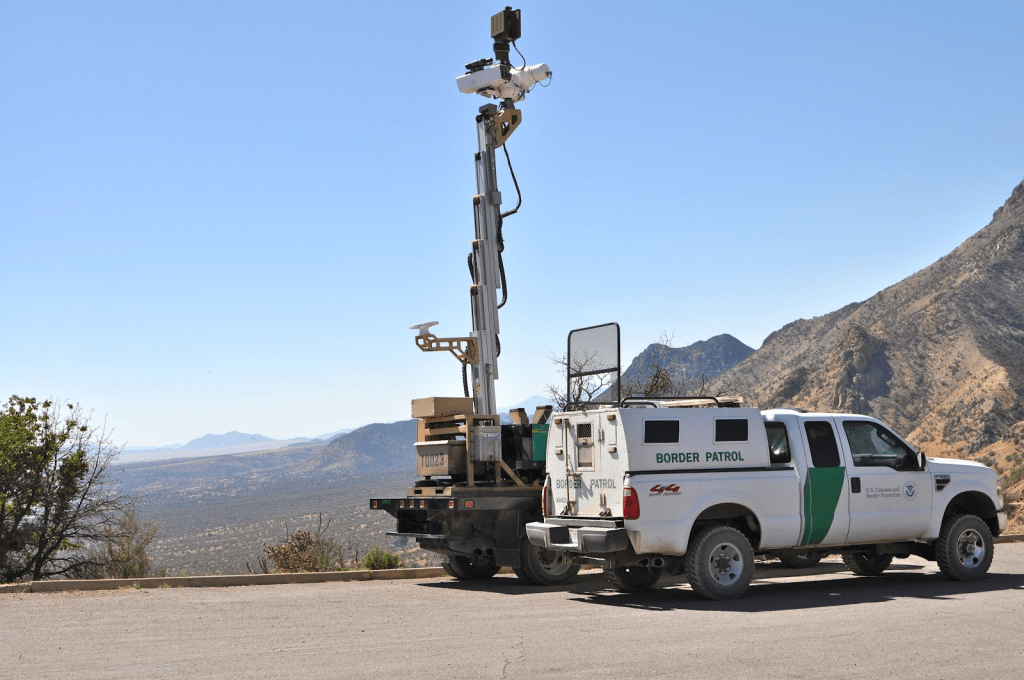
Before the barricade was put up across the San Pedro, there was an effective system in place to monitor, impede and interdict traffic up the river. A sturdy steel rail fence on the flood plain and and some massive boulders in the river bed kept vehicles from entering. A tethered radar blimp at Fort Huachuca can spot low-flying aircraft. The Border Patrol has numerous surveillance devices overlooking the river. Twelve miles away at the Naco Station about 900 agents stand ready to respond to any intrusion. There are far more Border Patrol vehicles on Highway 92, which parallels the border, than there are private cars most days. If anyone gets past the border, there are border check stations at places like Whetstone, Tombstone and Sonoita. Anyone trying to get around them is likely to be spotted.
Lastly, I’d like to dispel any opinions you may have formed about how dangerous the border is. When we lived in the unincorporated community of Palominas, we generally felt safe. The threat from illegal border activity was when smugglers were running from the authorities. There are occasional crashes and fatalities. In one case, a local couple and 5 illegals were killed in a crash. The last shooting death we had was a friendly fire incident where 3 Border patrol Agents shot it out with each other in the dark. Sadly, one was killed and another wounded.
Most of the illegal entrants we have come across were harmless. Many are headed for jobs in agriculture, food processing or domestic work which few Americans want. Few stay in our valley, as we don’t have these kinds of jobs. Elsewhere in Arizona, these willing workers are welcomed with open arms by eager employers. In some cases they are exploited by overseers who threaten to turn them into authorities if they complain.

Main Menu: http://www.azrockdodger.com
 Outlaws, Outrages and Outright Lies
Well written, Larry. I concur with everything I read. We must be related! Thanks for writing about this very important area.
LikeLike
Thank you for this. More people need to know about it. Delighted to see that coati! I saw them in Brazil and didn’t know they had cousins that far north. Desert rivers are precious ecosystems.
LikeLike
The Coati Mundi is one of our favorite critters. Ours are of the White-faced variety.
LikeLiked by 1 person